How Good Plasterwork Quietly Adds
Long-Term Value to Buildings
By Ian Waller
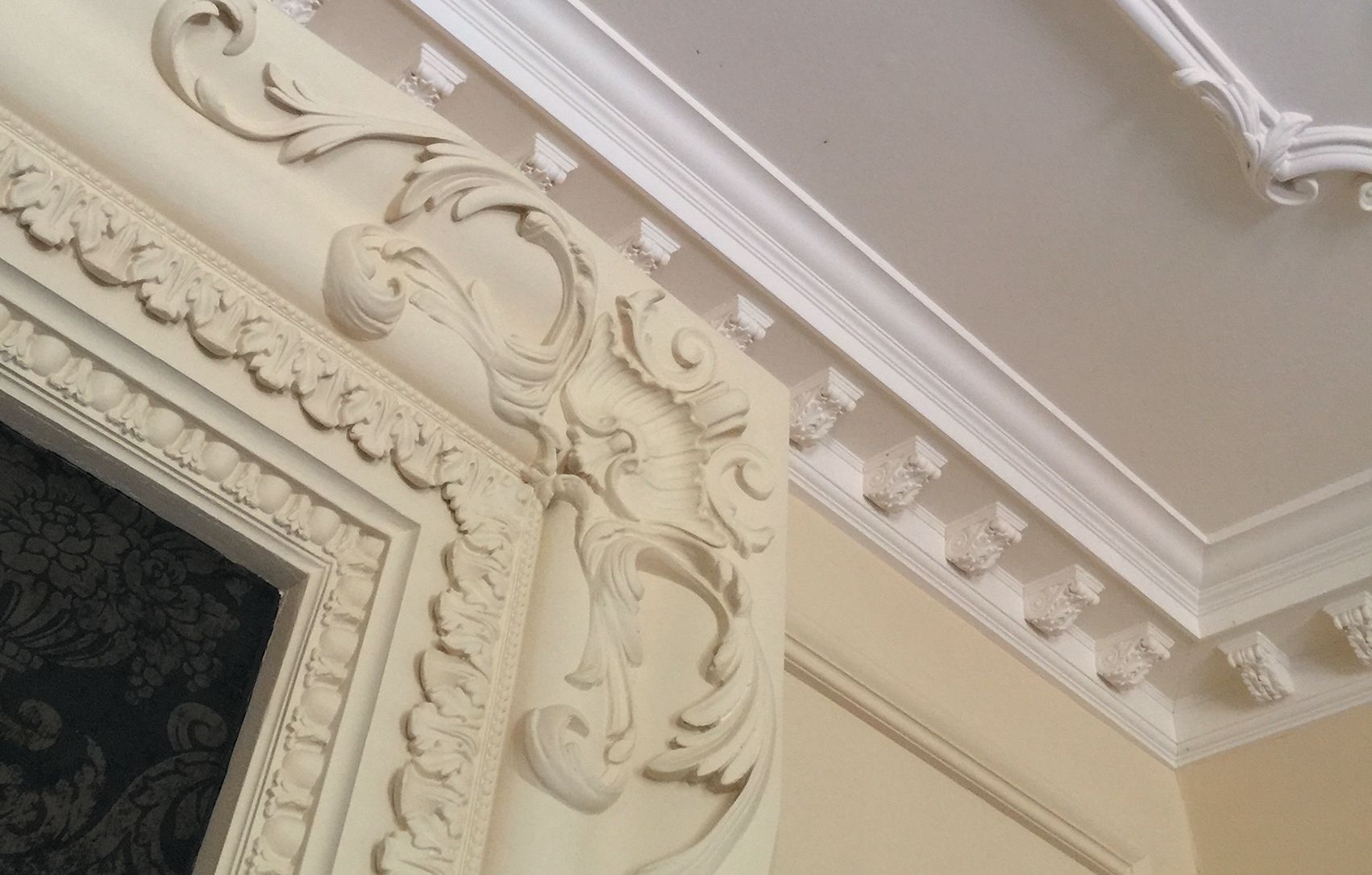
Some buildings announce their quality immediately. Others reveal it slowly - through proportion, detail and the quiet confidence of good craftsmanship. Decorative plasterwork often sits at the centre of that experience. Rarely the loudest element in a room, it shapes how light moves, how space is perceived and how architecture is remembered long after first impressions fade.
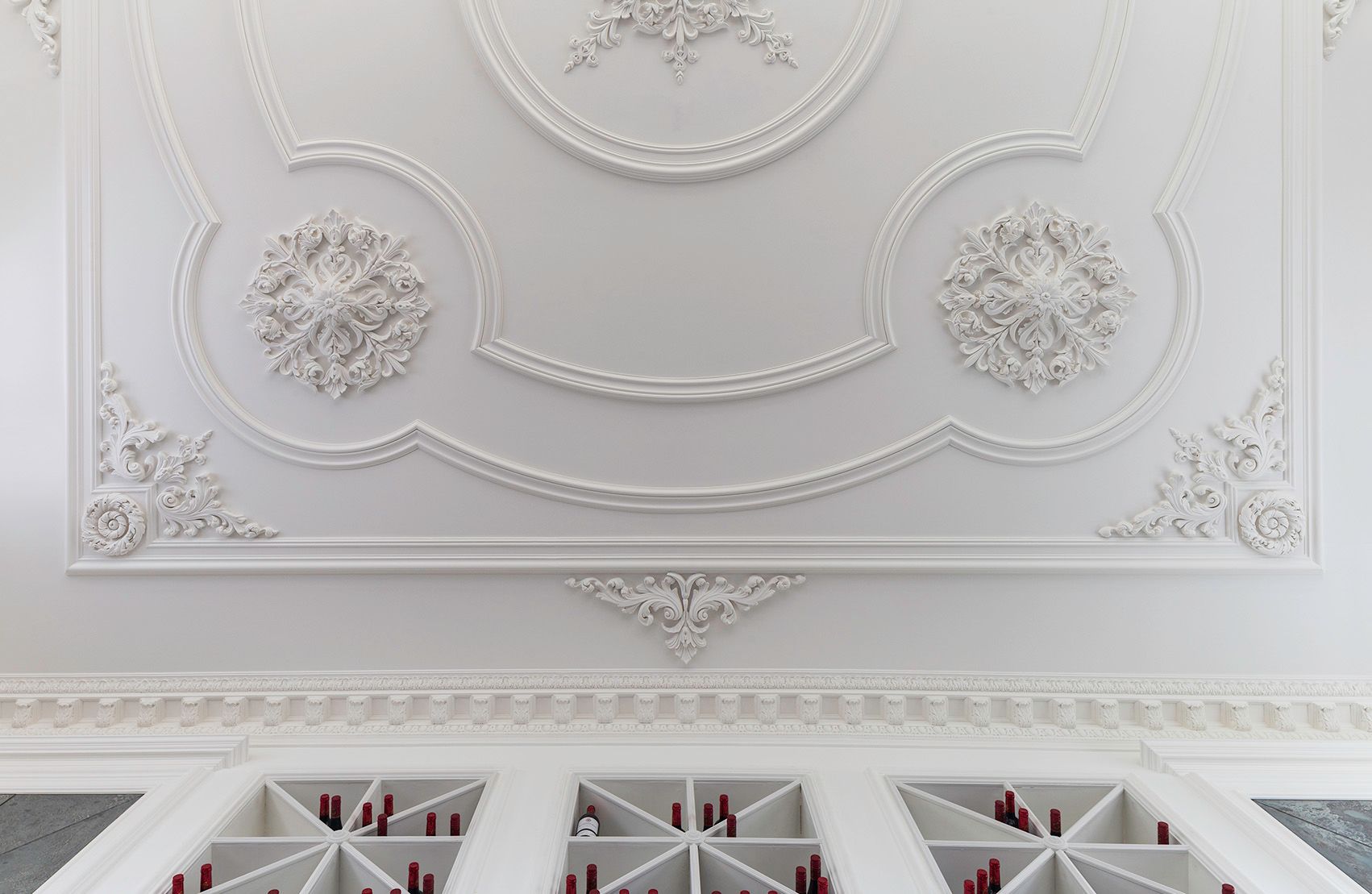
I have always believed that plasterwork is part of the architecture, not simply an applied finish. Ceiling heights, cornice lines and panel layouts help define the rhythm of a room. When these elements are resolved early and with care, they bring a sense of balance that people often respond to instinctively. The result is an interior that feels considered rather than assembled - something that can be difficult to quantify, but is immediately recognisable.
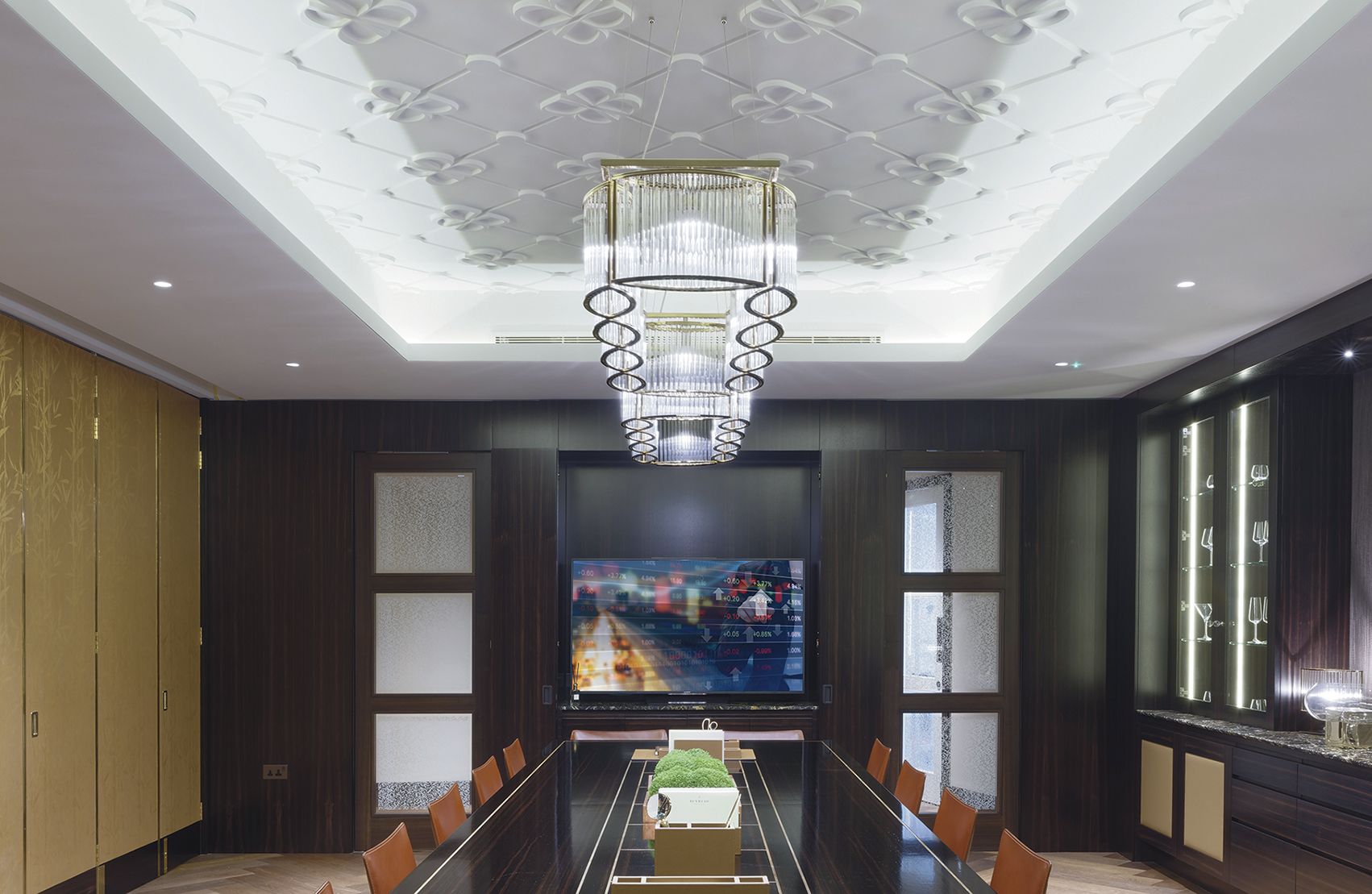
There is also a practical side to this work. Thoughtfully designed mouldings can conceal lighting, ventilation and access requirements without compromising the character of a building. On projects such as 5 St James’s Square, integrating services within coffered ceilings allowed modern functionality to sit comfortably within a historic context. At Buxmead on The Bishops Avenue, concealed LED troughs and carefully proportioned coffers helped create a calm, layered atmosphere that supported the development’s identity as a high-end residential environment. These decisions are rarely visible to the casual observer, yet they influence how the space is perceived and used every day.
Good plasterwork also tends to age well. Buildings that feel coherent - where detailing relates naturally to the architecture - adapt more easily as tastes and requirements evolve. By contrast, decorative schemes applied as an afterthought can date quickly or require costly revision. This is why I encourage teams to think of plasterwork not as a decorative expense, but as a long-term architectural investment. It contributes to the longevity of a building’s character and, in many cases, to its commercial desirability.
My role is usually to bring a considered eye to these decisions: understanding the history of a space, the ambitions of a design team and the practical realities of construction. When those elements align, plasterwork becomes more than ornament. It becomes part of the quiet structure that gives a building presence — and ensures it continues to feel right long after the project is complete.