Walking in Soane’s Footsteps.
Why His Work Still Matters Today
By Ian Waller
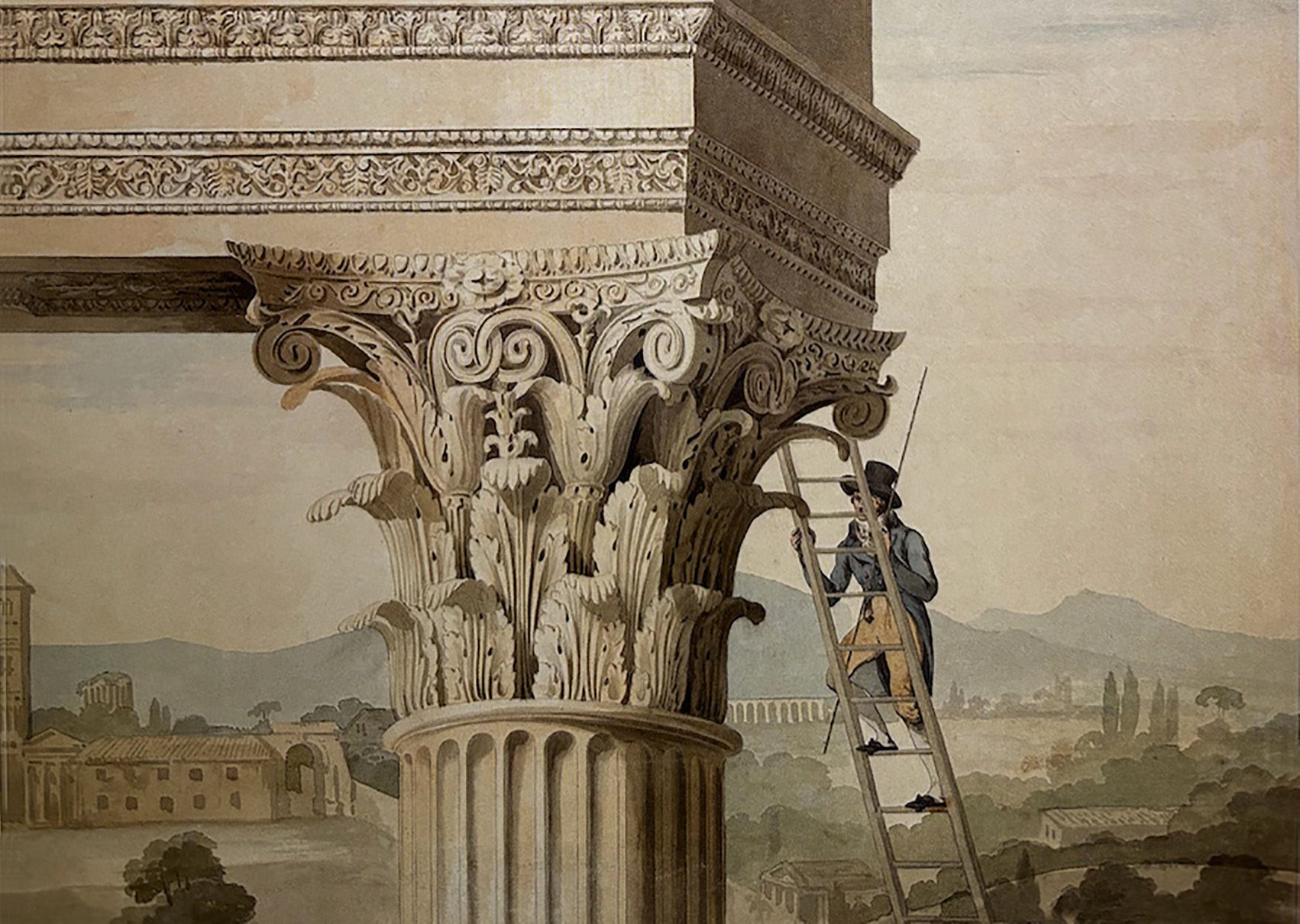
Sir John Soane's apprentice, Henry Parke, with a rod measuring the Corinthian order of the Temple of Castor & Pollux, Rome.
Architects rarely work in isolation. Whether consciously or not, we all carry the influence of those who came before us - their ideas about space, light and proportion shaping how we see the buildings around us. For anyone interested in classical architecture in Britain, Sir John Soane is one of those enduring figures.
What continues to fascinate me about Soane is not simply the elegance of his buildings, but the inventiveness behind them. He had an extraordinary ability to manipulate light and geometry to create spaces that feel both calm and dramatic at the same time. Many of his interiors are deceptively simple at first glance, yet the more closely you study them, the more layers of thought you begin to see.
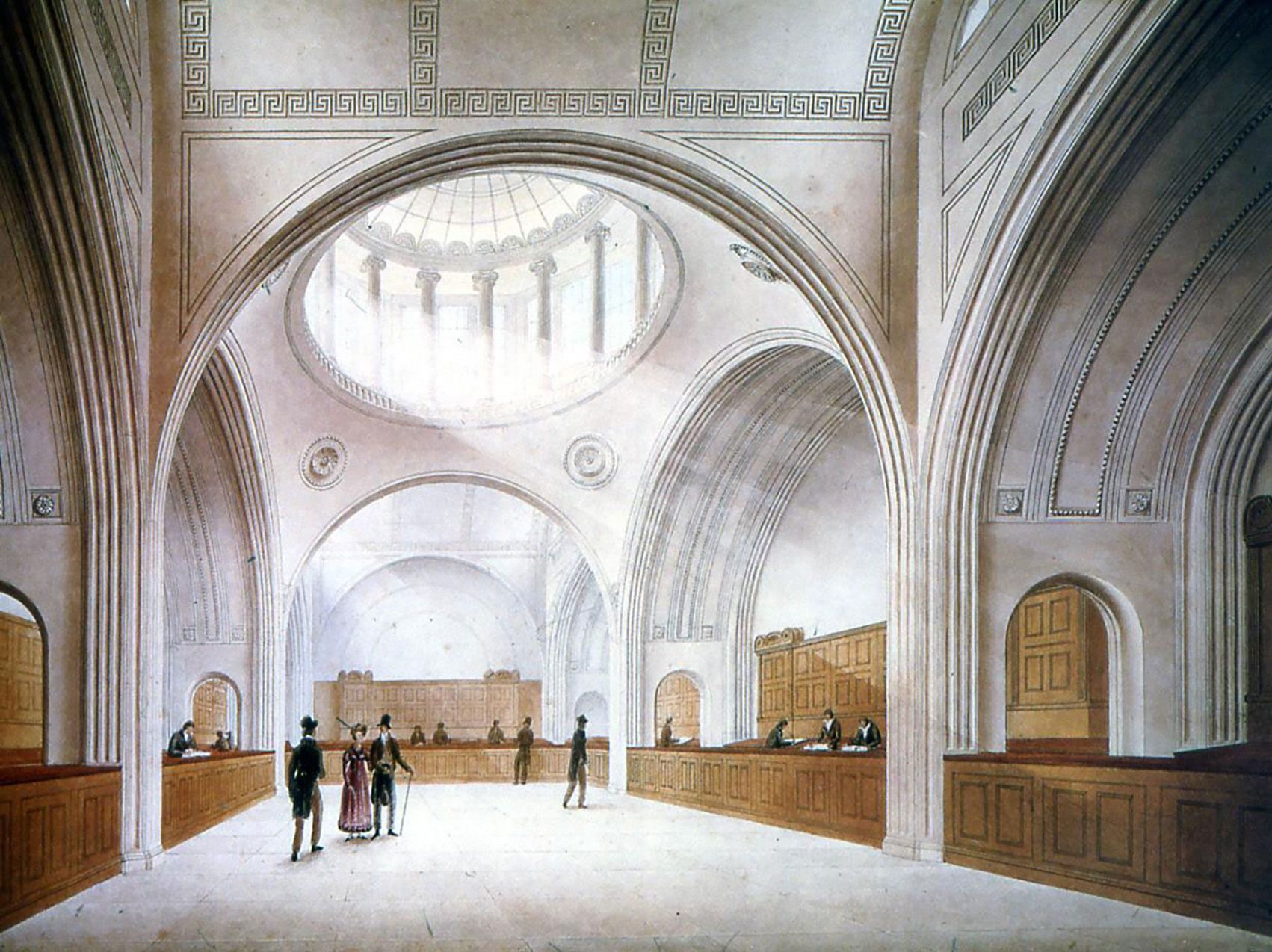
One of the most celebrated examples of this is the Bank of England - please see the illustration above - where Soane reimagined the idea of monumental civic architecture through a series of top-lit spaces and restrained classical forms. Although much of the original structure has since been altered, the drawings and surviving fragments reveal a masterclass in how light and proportion can give architecture its authority.
A more complete expression of his thinking can be found at
Dulwich Picture Gallery, widely regarded as the first purpose-built public art gallery in England. Here Soane used shallow domes and carefully positioned skylights to control the quality of light within the galleries — an idea that feels remarkably modern even today. The building demonstrates how structure, lighting and ornament can work together seamlessly rather than competing for attention.
For me, however, some of the most intriguing insights into Soane’s imagination appear in places that are less widely discussed.
Pitzhanger Manor in Ealing, which he rebuilt as his own country house, reveals a more personal side of his architectural thinking. It is playful and experimental, yet still rooted in classical discipline — a reminder that the best architecture often balances curiosity with restraint.
My own encounter with Soane’s work came through the restoration of the
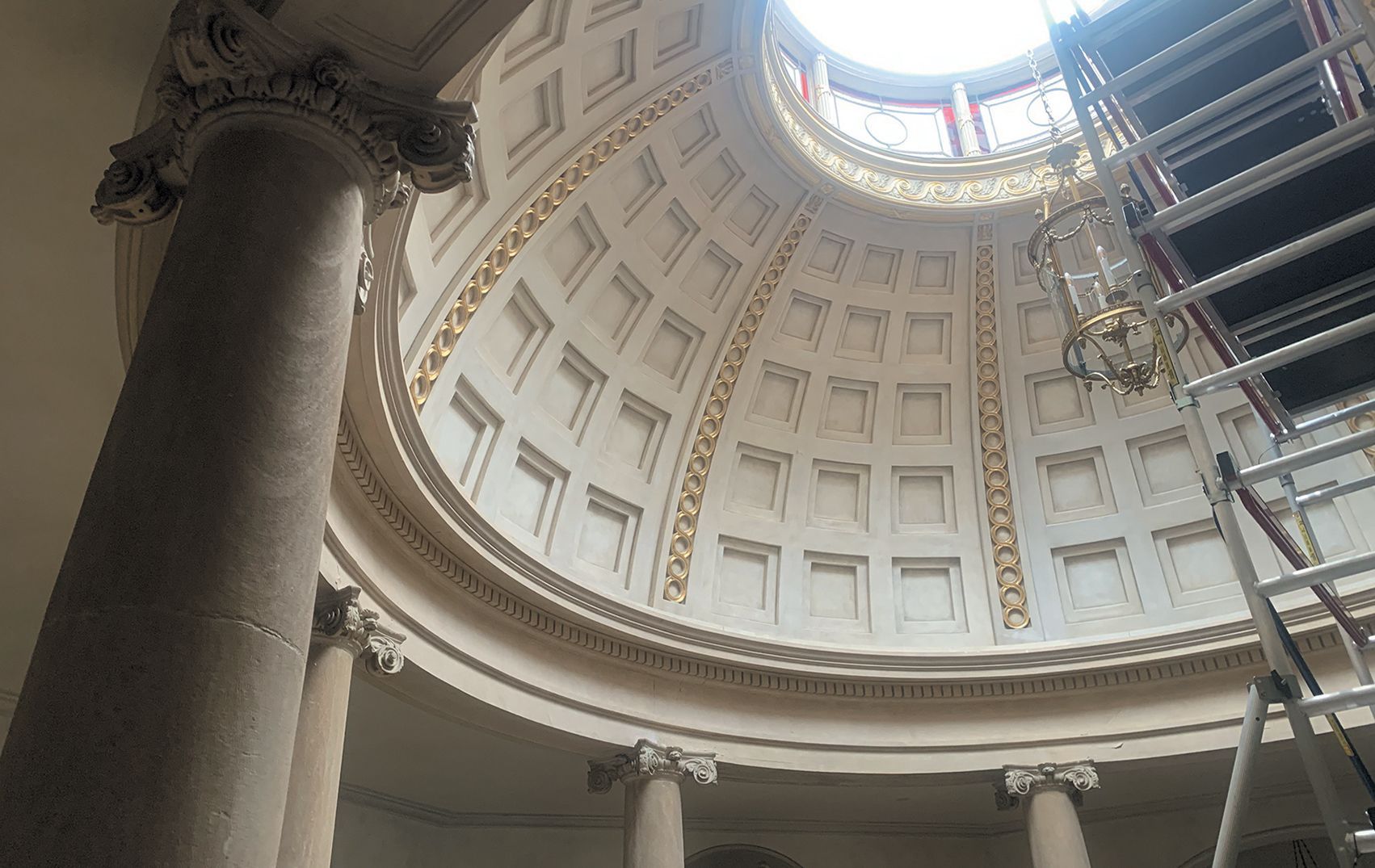
Tribune at
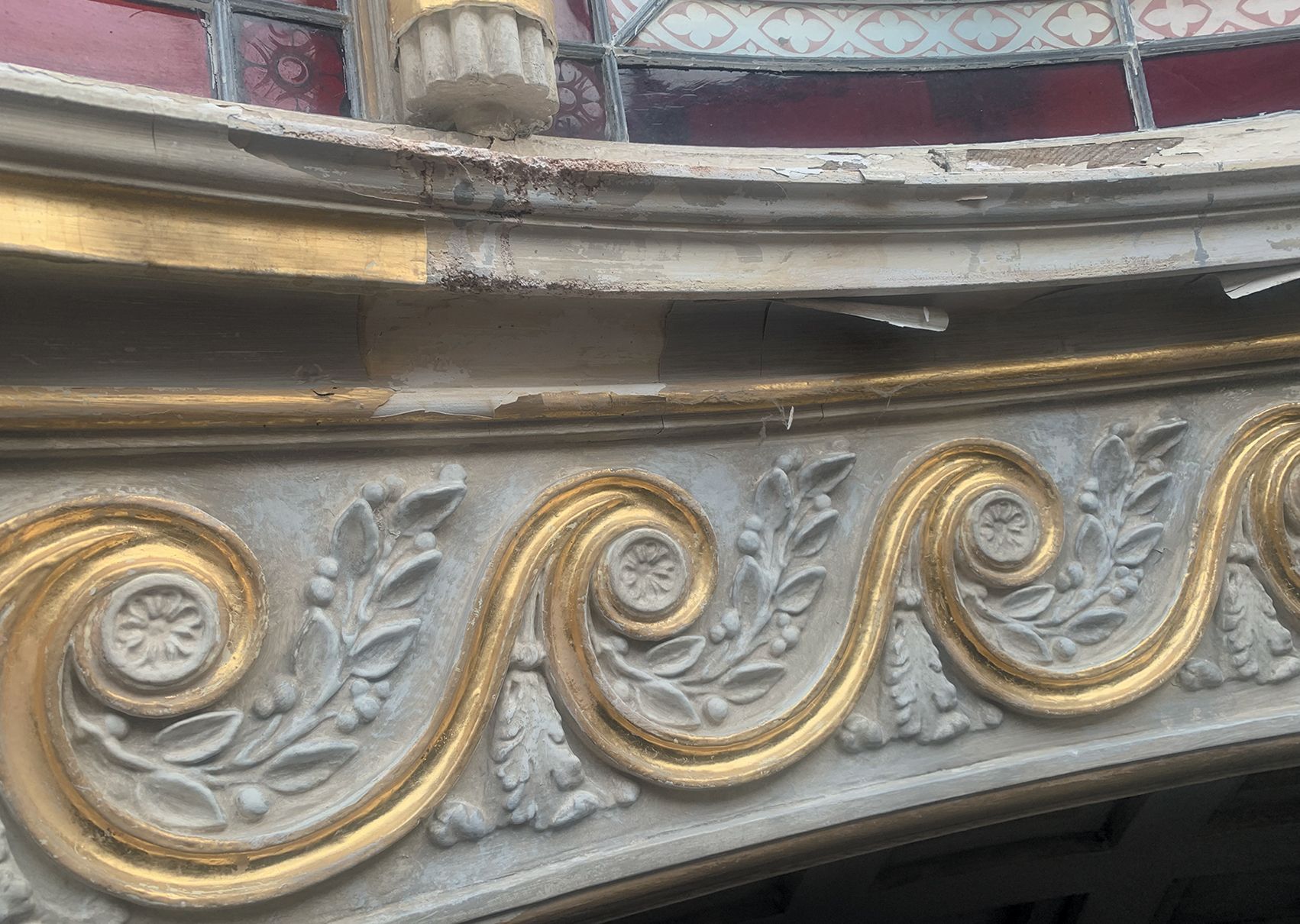
Tyringham Hall, one of his earliest surviving country house designs. Reinstating this complex arrangement of interlocking domes, niches and arches required careful research into his drawings and a close study of how his geometric compositions were constructed. What became clear through that process was how precise his thinking was. Even the smallest elements of moulding and proportion were part of a larger spatial idea.
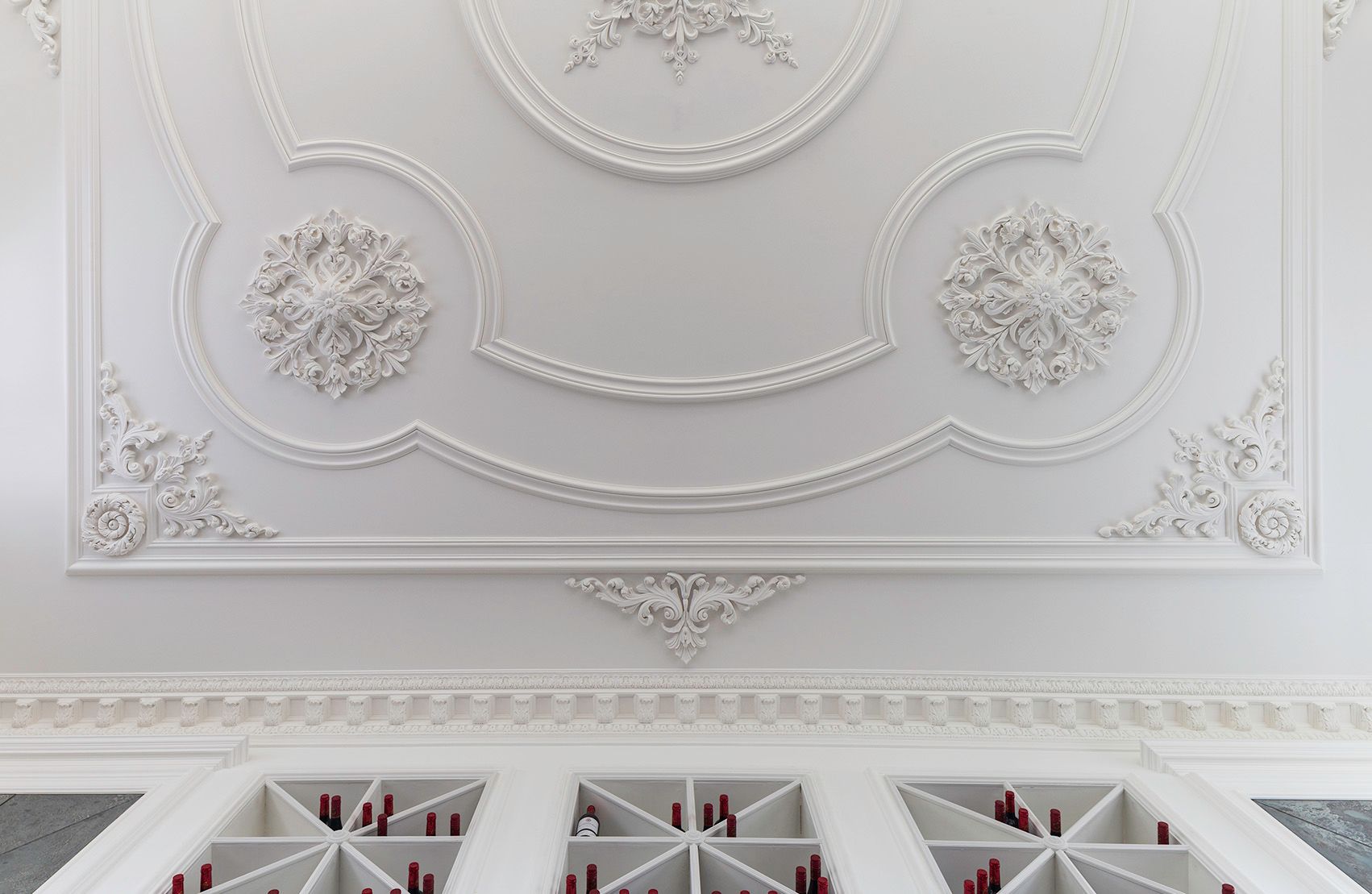
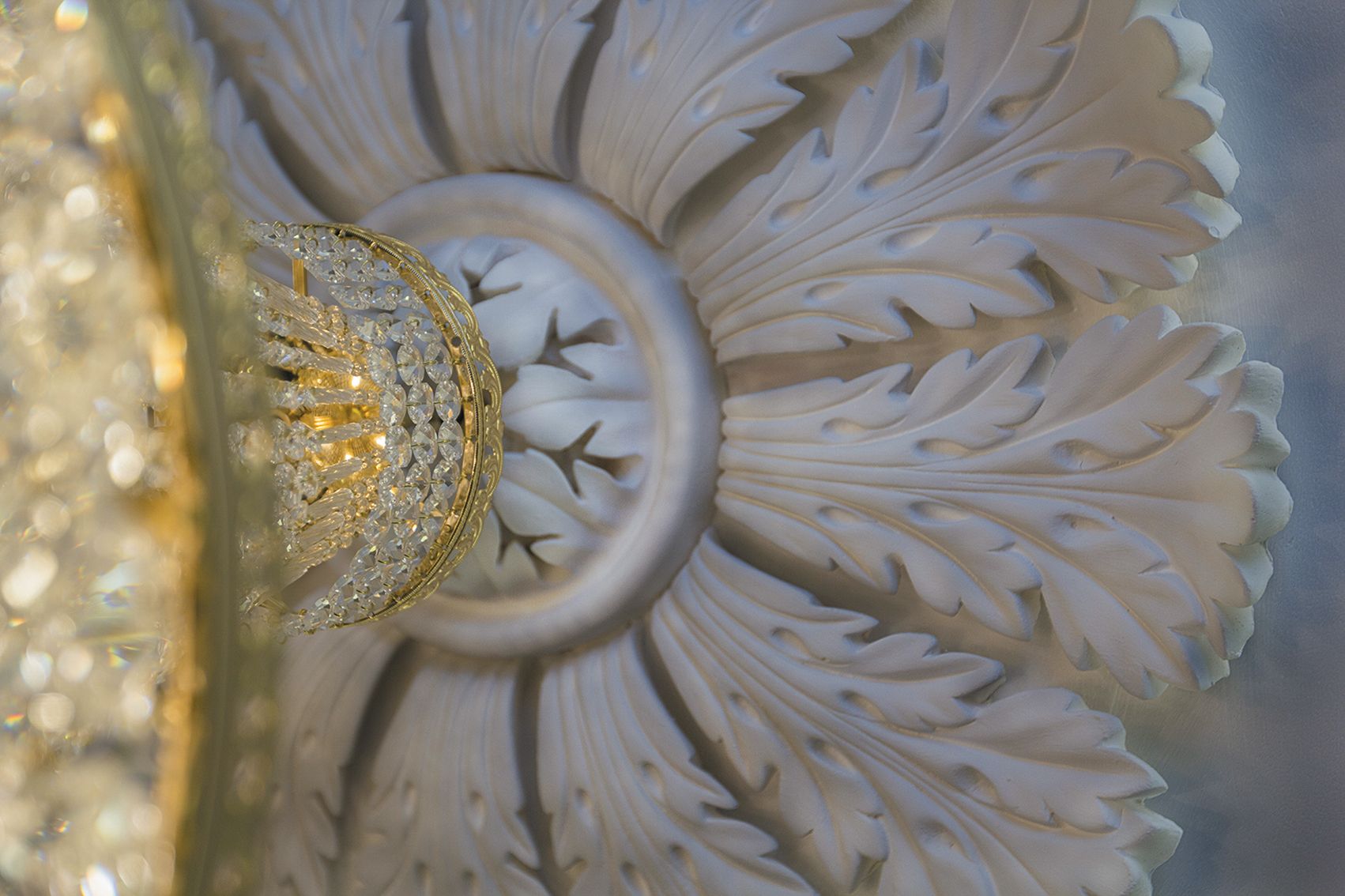
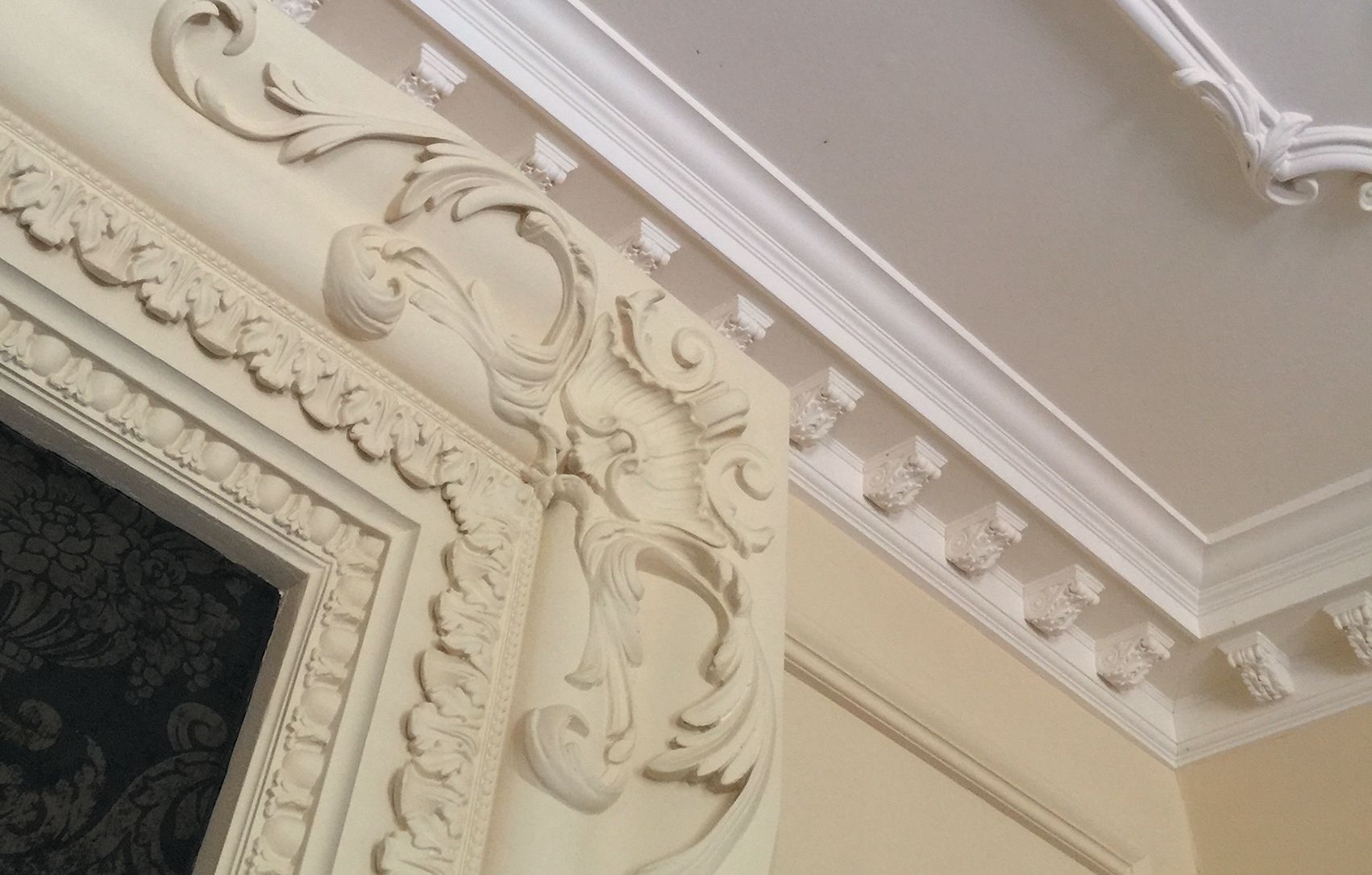
From a mouldings perspective, Soane’s work is particularly distinctive. His use of incised and inset detail creates a subtlety that feels quite unlike other classical enrichments — refined, precise and quietly expressive.
Two centuries later, Soane’s work continues to offer valuable lessons. His architecture reminds us that buildings are not just objects but experiences — shaped by light, movement and the subtle relationship between structure and decoration. Decorative plasterwork in particular played an important role in this language, helping articulate form without overwhelming it.
For anyone curious to explore this world more closely, there is no better place to begin than
Sir John Soane’s Museum in Lincoln’s Inn Fields. Preserved almost exactly as he left it, the house is filled with drawings, fragments and models that reveal the mind of an architect constantly experimenting with space and light. It remains one of London’s most extraordinary and quietly inspiring places.
Walking through those rooms, it is easy to understand why Soane’s influence still resonates today.